01
Discovery
We work out what should actually be built, and we write it down: the scope, the user journey, and the cost. You keep the document either way.

Only 11% of large software projects succeed.So we don't run large projects.
We help Greek business operators with large teams boost their efficiency, and unlock long-term growth by eliminating their operational bottlenecks using AI automations, and custom software. Days to start, weeks to value.

An order comes in by email, gets typed into the ERP, then copied into a spreadsheet for the next team. Every handover is a chance for an error, and someone has to track it down. We connect your tools so that your team doesn’t have to do it by hand.
Fix what you have
We re-architect, re-platform, or rebuild aging software so it runs on modern infrastructure, without disrupting your operations.
Build what’s missing
Software built from scratch around your processes, user roles, and data. Internal platforms or customer portals that work the way your organization does.
A serious agency is good at engineering. You bring them what you want built, they scope it, and six months later they hand you the deliverable and the engagement closes. Both sides did exactly what the contract said.
Two things go wrong, and neither one is an engineering failure.
Before anything is built. The people advising you on what to build are the people who get paid to build it. Nobody in that room is asking whether half of it should exist at all.
After it launches. A system isn’t a delivery. Everything you actually learn about it, you learn in the months after people start using it which is precisely when the team that built it is no longer there.
We built Thinkingloop the other way round.
We integrate with your team decide what gets built with you, and own that decision. We build in small increments, validate our assumptions, monitor your system, and adjust it when necessary. That way the system we launched in year one is adapting to your business needs in year three, and you don't have to go looking for somebody who can read your code, or rebuild it from scratch.
Year two is where it shows. The difference is not the code. It is whether anyone stayed accountable for the decisions behind it.

Case study · Energy
The platform opened to the market on the announced date. Renewable producers and large consumers now find each other, agree terms and reach a signed agreement under the exchange's rules with every step of it evidenced.
Case study · Food manufacturing
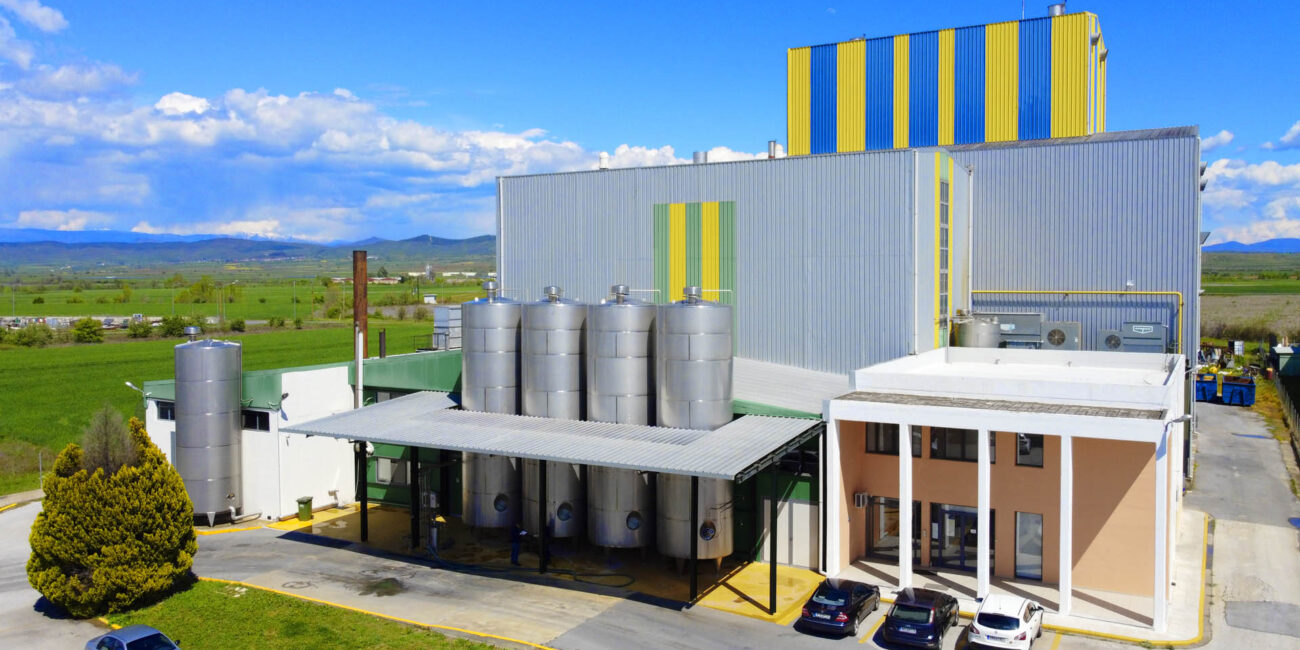
Four plants, most of the output exported, and no software team. We built the product safety and compliance platform from scratch so a supplier can see what its whey became, and a buyer can pull a batch record with its certificates.

Case study · Talent Acquisition
We built the system their career fair runs on to collect interest, CVs, printing tickets, and manage who actually walks through the door. It ran the first time, and it'll run for the next one too.
01
We work out what should actually be built, and we write it down: the scope, the user journey, and the cost. You keep the document either way.
02
We tell you what we’d do and why. You decide what gets built now, what waits, and what never needs to exist.
03
We build in small releases you can see and use, so every piece proves itself in your business before the next one starts.
04
We keep your system running and change it as your business changes, so in year three it still fits how you work.

We read each one. If we think we can do it properly, we’ll come back with a call. If we don’t, we’ll tell you why, and point you somewhere better.